Role of AI in Daily Life – From Morning to Night
Published: 17 Aug 2025
Artificial Intelligence, or AI, is no longer a future idea. It’s here right in our pockets, homes, schools, and workplaces. From the moment we wake up to the time we go to sleep, AI in Daily Life is shaping how we live. But do we really notice it?
In this article, we’ll break down how AI works in the background to make things easier, smarter, and safer for us. Whether you’re a student, teacher, parent, or worker, the role of AI in daily life is touching your world every single day.
Life Before AI
Before artificial intelligence in daily life became common, most tasks in our personal and work life were manual, slow, and time-consuming. In areas like SEO (Search Engine Optimization), people had to do everything by hand from keyword research to content tracking. There were no smart tools to guide decisions or automate boring tasks.
Here’s what SEO looked like before AI tools came into play:
- Manual Keyword Research: Marketers had to dig through spreadsheets and search engines to find the right keywords.
- Time-Consuming Analysis: Checking rankings, backlinks, and traffic data took hours or even days.
- No Smart Predictions: People relied on guesswork or past trends, not real-time data insights.
- Basic Content Writing: Content wasn’t optimized using AI tools; it needed manual proofreading and SEO checks.
- Repetitive Tasks: Every update, tag, or meta description had to be entered manually with no automation at all.
AI in Daily Life – Invisible Power Behind Modern Living
AI has become a natural part of how we live, often working in the background without us even noticing. From the moment we wake up to when we go to sleep, AI helps us think less and do more. It’s in our homes, phones, cars, classrooms, hospitals, and even in what we choose to watch or buy.
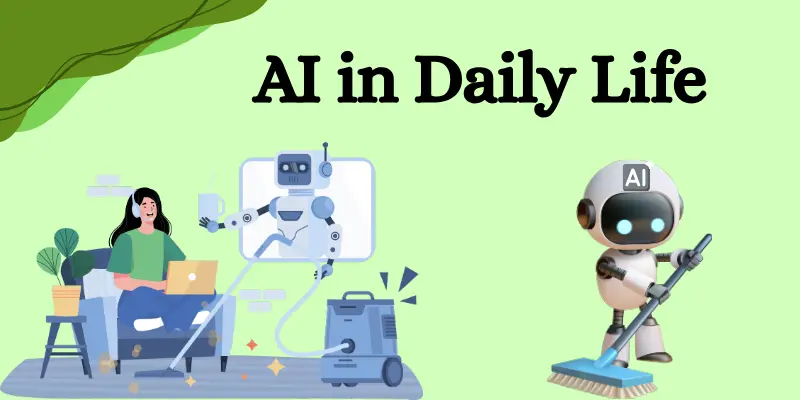
According to a recent report by Statista, over 80% of smartphone users interact with AI-powered features every day whether it’s voice assistants, camera filters, or predictive text. That’s just one tiny example of how deeply AI is woven into our daily routines. It’s not science fiction anymore. It’s real, and it’s here quietly guiding us, saving us time, and making life simpler. That’s just a small glimpse of AI in our daily lives.
Let’s look at how AI plays an active role in our everyday moments:
- Waking Up Smarter: AI-enabled sleep apps monitor your sleep cycle and set alarms when you’re in a light sleep phase. This helps you feel more refreshed in the morning.
- Starting the Day Right: Voice assistants like Siri, Alexa, or Google Assistant check your schedule, tell you the weather, and even read out the news headlines with no typing needed.
- Traveling Easier: AI in apps like Google Maps or Waze predicts traffic, suggests faster routes, and adjusts based on real-time conditions. It can even alert you about roadblocks or accidents.
- Shopping Made Personal: E-commerce platforms use AI to suggest products based on your browsing and buying history. These personalized experiences increase comfort and save time.
- Entertainment Tailored to You: Netflix, YouTube, and Spotify use AI to study your watching or listening habits. The more you use them, the better they get at suggesting content you actually like.
- Staying Healthy and Fit: Fitness apps use AI to track your steps, calorie intake, heart rate, and sleep patterns. Some even create personalized health tips or workout plans.
In short, AI is not a future tool, it’s today’s silent helper. It’s making everyday life more efficient, connected, and personalized. Whether you’re working, relaxing, shopping, or learning, chances are AI is quietly working behind the scenes to support your every move.
AI Examples in Daily Life
Here are some quick examples of AI in daily life that show how deeply it’s connected to us:
- AI in everyday use: Typing suggestions, smart replies, and reminders.
- AI devices in daily life: Smartwatches, home assistants, and smart fridges.
- 5 real life examples of artificial intelligence: Navigation, e-learning apps, streaming platforms, health tracking, and voice assistants.
- How do we use AI in everyday life? From booking a ride to ordering food, AI guides decisions.
Benefits of AI in Daily Life
AI is designed to make life simpler, faster, and more personalized. It takes care of routine tasks, learns your habits, and helps you make better decisions without even asking. From your morning alarm to your evening video playlist, AI quietly supports your day. A report by IBM shows that AI increases productivity and accuracy in both personal and work environments that’s why it’s becoming a must-have in daily life.
Let’s see benefits of AI in Daily Life:
- Saves Time: AI tools automate reminders, sort emails, and even complete small tasks like booking appointments.
- Reduces Errors: In areas like navigation, finance, and healthcare, AI offers precise suggestions based on real-time data.
- Personalizes Experience: Apps and devices learn your preferences to offer tailored content, routes, or product options.
- Boosts Daily Productivity: AI helps manage tasks, schedules, and messages, so your day runs smoother.
- Improves Health Habits: AI-based fitness and wellness apps track sleep, activity, and meals helping you stay consistent.
Challenges and Limitations of AI: Smart but Not Perfect
While AI brings many benefits, it also comes with a few serious concerns. The role of AI in our daily life also comes with concerns about safety, privacy, and fairness. From data privacy issues to job shifts, AI systems still need human checks and smart rules. According to the World Economic Forum, AI may displace around 85 million jobs by 2025, but also create new ones. So, the focus must stay on responsible use and balance between humans and machines.Here are key challenges to watch for:
- Data Privacy Risks: AI collects and analyzes personal data, which can be misused if not protected properly.
- Bias in Results: AI tools can reflect unfair or harmful biases if they’re trained on incomplete or biased data.
- Overdependence: Relying too much on AI can reduce human thinking, creativity, and control over decisions.
- Job Disruption: Automation may replace routine jobs, especially in customer service, driving, and admin roles.
- Lack of Transparency: Many AI systems work like a “black box,” meaning users don’t always know how decisions are made.
Future of AI in Daily Life: Smarter, Safer, and More Human-Centered
Looking ahead, AI in day-to-day life will become more natural and human-like. It will not just assist us, it will learn from us, adapt to our habits, and respond more naturally. According to PwC, AI could add $15.7 trillion to the global economy by 2030, changing the way we live, work, and interact. As AI tools become more affordable and accurate, they’ll help people make better decisions, live healthier lives, and enjoy more personalized experiences.
Here’s what we can expect Future of AI in daily Life:
- More Human-like AI: Voice assistants and chatbots will feel more natural, emotional, and easier to connect with.
- Smarter Homes and Cities: AI will help manage energy, reduce waste, and improve safety in both homes and public spaces.
- Healthcare Breakthroughs: AI will support faster disease detection, remote surgeries, and highly personalized treatments.
- Better Learning Experiences: Education will use AI to create flexible, student-focused learning paths in classrooms and at home.
- Stronger Ethics and Rules: Governments and tech companies will focus more on creating safe, fair, and transparent AI systems.
Predictions About the Future of AI in Daily Life
Not all AI futures are serious, some might just make you laugh (or worry a little). As AI keeps getting smarter, who knows what hilarious things could become real?
- AI Pets Will Judge You
Your robot dog might not just bark, it may raise its digital eyebrow when you skip leg day or order your third dessert of the week. “Really? Cheesecake again?” - Fridge That Roasts You
Smart fridges won’t just tell you what’s inside, they’ll shame you for it. “You said you’d eat clean. Why is there a 2-liter soda next to the kale?” - AI Personal Stylist Who Has No Filter
Mirror AI might scan your outfit and say, “Are you seriously wearing that in 2028?” Then it sends your fashion fail to a group chat with your past selfies. - Toilet That Tracks Your Diet
Yup, future smart toilets may be analyzed… everything. “You need more fiber. Also, please stop eating flaming hot chips at midnight.” - AI Breakup Coach
AI might one day guide your relationships and even help with breakups: “Initiating soft breakup mode: ‘It’s not you, it’s my neural network needing space.’”
Conclusion: Embracing the Role of AI in Daily Life
So guys in this article we have discussed Artificial Intelligence in Daily Life in great detail. The role of AI in daily life is growing each day. It helps us live, learn, travel, work, and even relax better. But we must balance comfort with responsibility. The goal is not to fear AI but to understand it, use it smartly, and teach others how to do the same.
Whether you’re using AI to write an email or manage a classroom, it’s already a part of your world. So, are you ready to embrace AI the smart way?
🤖 FAQs: Role of AI in Daily Life
Many readers often ask simple but important questions about AI in daily life. Let’s go through them one by one.
AI (Artificial Intelligence) is technology that learns from data and makes smart decisions. It powers things like voice assistants, smart maps, and online recommendations. You use AI every day even if you don’t notice it.
Yes, AI is generally safe when used with proper privacy settings and trusted apps. However, it’s important to understand what data it collects and how it’s used. Always check privacy terms and use secure networks.
AI may replace some repetitive jobs, but it will also create new roles in tech, data, and design. It changes how we work, not just if we work. The key is to learn new skills and adapt with it.
AI offers personalized learning tools, tracks student progress, and suggests helpful resources. For teachers, it saves time by automating grading and reports. This makes learning smarter and more focused.
Yes, AI can make errors if it’s trained on bad data or used without human oversight. It follows patterns, but doesn’t always understand context. That’s why human review is still important.






- Be Respectful
- Stay Relevant
- Stay Positive
- True Feedback
- Encourage Discussion
- Avoid Spamming
- No Fake News
- Don't Copy-Paste
- No Personal Attacks
- Be Respectful
- Stay Relevant
- Stay Positive
- True Feedback
- Encourage Discussion
- Avoid Spamming
- No Fake News
- Don't Copy-Paste
- No Personal Attacks
